
Why Every Property Manager Needs A Snow Site Map
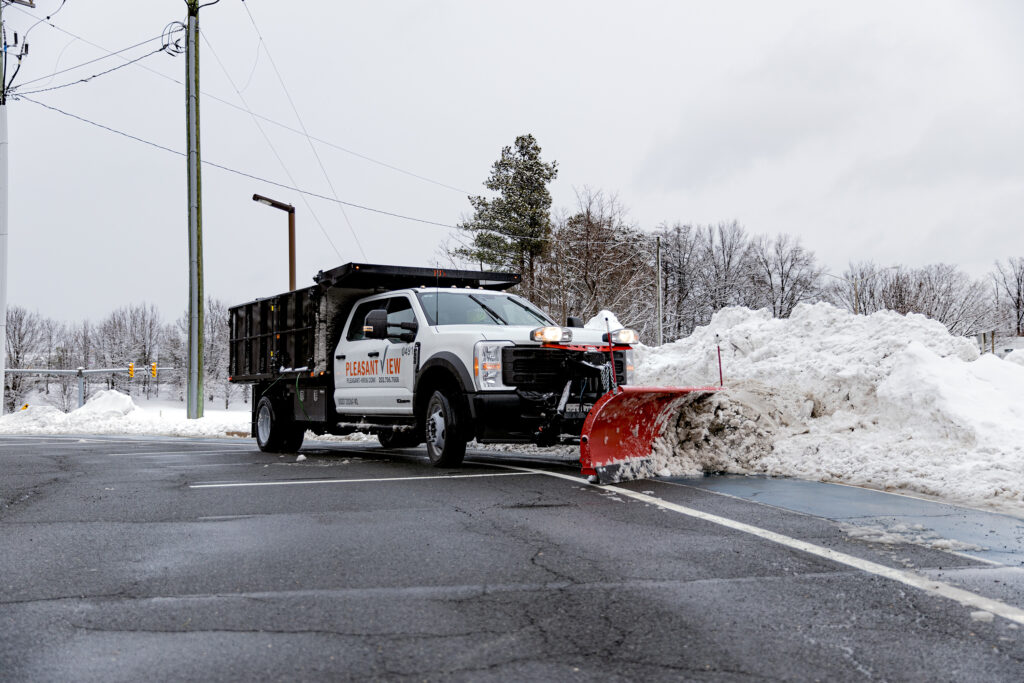
Why Every Property Manager Needs A Snow Site Map
When winter storms arrive, no tool is more important for property managers and snow contractors than a detailed commercial snow removal map. In fact, at Pleasant View, we often say the map is the bible for the boots on the ground. Without it, confusion, delays, and costly mistakes are almost guaranteed. With it, your snow and ice operations run smoothly, efficiently, and safely.
Why Snow Site Maps Are Essential
A commercial property snow map is far more than a sketch of parking lots and sidewalks. It is a visual guide that eliminates guesswork and ensures that everyone—drivers, shovel crews, and managers—knows exactly what to do.
Without a clear site map, it’s not uncommon for engineers and property managers to request two different services, leading to conflicting instructions. For example:
Engineer: “No one was here all night, you missed an entire section of the parking lot! ”
Snow Plow Driver: “That part of the building is vacant, and the property manager asked us not to service it.”
Without a map, this results in repeated 5 AM phone calls to management. With the proper map, initiated by management, it is a 20-second conversation between the engineer and the snow team.
Situations like this cause frustration and wasted effort. A commercial snow map for property managers ensures that everyone is aligned before the storm even begins.
Prioritizing By Operating Hours
Another key advantage of a commercial snow removal map is prioritization. Every property has different traffic patterns—office buildings, retail centers, medical facilities, and warehouses all operate on different schedules. By laying out routes and priorities on a commercial snow removal site map, crews can focus on the most critical areas first, such as main entrances and loading docks, before moving to secondary areas.
This not only keeps properties safe but also helps property managers reduce liability and keep operations running without interruption.
Areas You Should Not Include
One of the biggest mistakes in snow planning is assuming every paved surface needs to be serviced. In reality, many sites have sections that are off-limits—vacant buildings, closed-off areas, or unused parking zones.
That’s why, if there were a few maps we would prioritize, one would be a dedicated “Areas You Should NOT Include” map. By creating a separate version alongside the aerial property snow map, crews can clearly see which zones are to be avoided. This prevents unnecessary work, keeps costs down, and avoids damaging areas that don’t require service.
Adding Street View Images
Another powerful addition to any commercial snow removal map is including street view images. We’ve seen teams arrive at the wrong building simply because they relied on a texted map image on their phone. Street view solves this.
By showing the actual frontage of the building, drivers can confirm they’re at the right location before starting work. This saves time, prevents costly mistakes, and ensures that service begins where it’s needed most.
Hand Shoveling and Special Areas
Not every part of a property can be managed by plows. Handicapped parking spots, drains, and narrow walkways often require hand shoveling even if they are technically located within a plowable area. A commercial snow removal site map should clearly mark these zones so crews can plan labor properly and avoid oversights.
Snow Piling and Drainage
Finally, one of the most overlooked details in snow operations is where to pile snow. Snow should always be stacked in the lowest parts of the lot where it can melt without refreezing and creating days of ice hazards. A properly designed commercial property snow map highlights these storage zones, saving clients money on extended commercial snow removal and ice control.
How to Create a Snow Removal Site Map
Creating a strong commercial snow removal site map or aerial property snow map involves several steps:
- Conduct a full site walk-through with the property manager.
- Identify priority service zones based on operating hours.
- Mark “do not service” areas on a separate dedicated map.
- Add street view images of entrances for driver verification.
- Highlight hand shoveling areas, drains, and handicapped spots.
- Designate snow pile zones that minimize refreezing.
By following these steps, property managers and contractors can eliminate confusion, reduce risk, and deliver safer, more cost-effective service.
Conclusion
A commercial snow map for property managers is the most valuable tool in any winter storm plan. It aligns teams, eliminates costly mistakes, ensures priorities are clear, and keeps operations efficient. Most importantly, it saves money—because the right work is being done in the right place at the right time.
When it comes to commercial snow removal, don’t leave anything to chance. Make your snow site map the bible for your operations, and you’ll see the difference every winter storm.