
Stormwater Management Checklist for 2026: What Every Property Manager Needs to Know
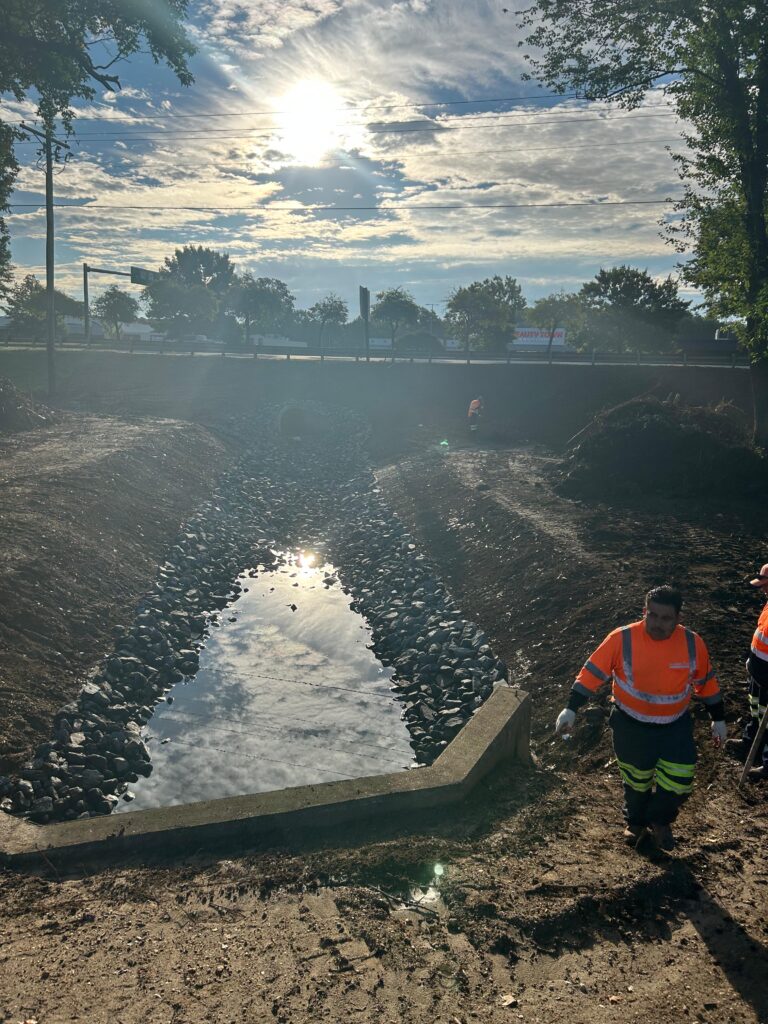
Stormwater Management Checklist for 2026: What Every Property Manager Needs to Know
As 2026 approaches, property managers across Maryland are already preparing budgets, inspections, and compliance documentation. One area that often gets overlooked—until it’s too late—is stormwater. A neglected stormwater system can lead to costly repairs, flooding, and even regulatory fines. The good news? With the right stormwater maintenance checklist, property managers can stay proactive, compliant, and cost-efficient.
Why a Stormwater Checklist Matters
Stormwater facilities—whether retention ponds, bioswales, or underground systems—are designed to protect both properties and surrounding communities. But they only work if they are maintained consistently. For property managers, a structured checklist ensures that no step is missed, inspections are on time, and repairs are budgeted before they become emergencies.
A stormwater checklist also makes compliance easier. Local inspectors expect clear records of stormwater maintenance for property managers, and having a well-documented system helps you demonstrate due diligence.
Key Elements of a Stormwater Maintenance Checklist
Here are the essential items every property manager should review as part of their stormwater maintenance checklist for 2026:
1. Review Inspection Reports
Start by gathering all inspection reports from the past year. These documents outline issues flagged by inspectors, required corrective actions, and timelines for resolution. Property managers can typically find these reports in their municipal or county stormwater portal, or directly through the engineering firm that performed the inspection.
2. Schedule Required Inspections
Maryland stormwater requirements mandate routine inspections of stormwater facilities. Missing an inspection can lead to noncompliance notices and fines. Ensure inspections are scheduled well in advance and added to both your calendar and your budget plan.
3. Clear Inlets and Outlets
Clogged pipes, trash racks, and culverts reduce system performance and can cause flooding. Make sure debris removal is part of routine maintenance, especially after heavy rains.
4. Manage Vegetation
Overgrown vegetation around retention ponds or swales can block water flow, create mosquito habitats, and damage structures. Conversely, too little vegetation increases erosion risk. Replenish with appropriate plants as needed, ideally with native Maryland species that support compliance and resilience.
5. Sediment Removal
Over time, sediment accumulates in ponds and basins, reducing capacity and efficiency. Review inspection reports for sediment depth measurements and budget for dredging if necessary.
6. Structural Checks
Inspect concrete headwalls, riprap, embankments, and spillways for cracks or erosion. Structural failures are expensive to repair but can often be prevented with early detection.
7. Documentation and Record-Keeping
Perhaps the most important step for commercial property stormwater compliance is documentation. Keep detailed records of inspections, maintenance activities, invoices, and photographs. These files will be your best defense during regulatory reviews.
Where to Find Requirements
Property managers often wonder where they can find official guidance on what needs to be done. The best resources include:
- County or Municipal Stormwater Websites – Most Maryland jurisdictions post requirements and inspection forms online.
- Maryland Department of the Environment (MDE) – Statewide compliance resources and manuals are available through MDE.
- Engineering and Environmental Consultants – Many firms provide tailored checklists and reminders for their clients.
Your Stormwater Inspection Reports – The notes from inspectors are often the most direct, property-specific guide to required maintenance.
Planning Ahead for 2026
As you finalize budgets and schedules for 2026, stormwater should be included right alongside landscaping, snow, and other major services. Incorporating stormwater maintenance for property managers into your planning avoids last-minute scrambles and spreads costs across the year.
For example:
- Budget annually for small recurring tasks like inlet clearing and vegetation management.
- Plan for larger expenses like sediment removal or structural repairs on a multi-year cycle.
- Use inspection reports to forecast needs 12–24 months in advance.
Conclusion
Stormwater management doesn’t have to be overwhelming. With a clear stormwater maintenance checklist, property managers can stay compliant, protect their properties, and avoid costly surprises. From inspections and vegetation management to sediment removal and documentation, every step matters.
By following Maryland stormwater requirements and keeping thorough records, you ensure commercial property stormwater compliance while safeguarding both your property and your budget.
Heading into 2026, ask yourself: do you have your stormwater plan in place? If not, now’s the time to start. Because the only thing more expensive than proactive maintenance is reactive repairs.